
Update!
Hey folks, hope all is well!
Over the last few weeks I have been working on improvements to simplify assembly and fabrication for production. There are two significant changes share:
Cone Mech:
Not counting the motor, belt, pulley, and idlers, the previous version of the mech enclosure required eight parts to be fabricated. The new version needs two. The enclosure and the lid.
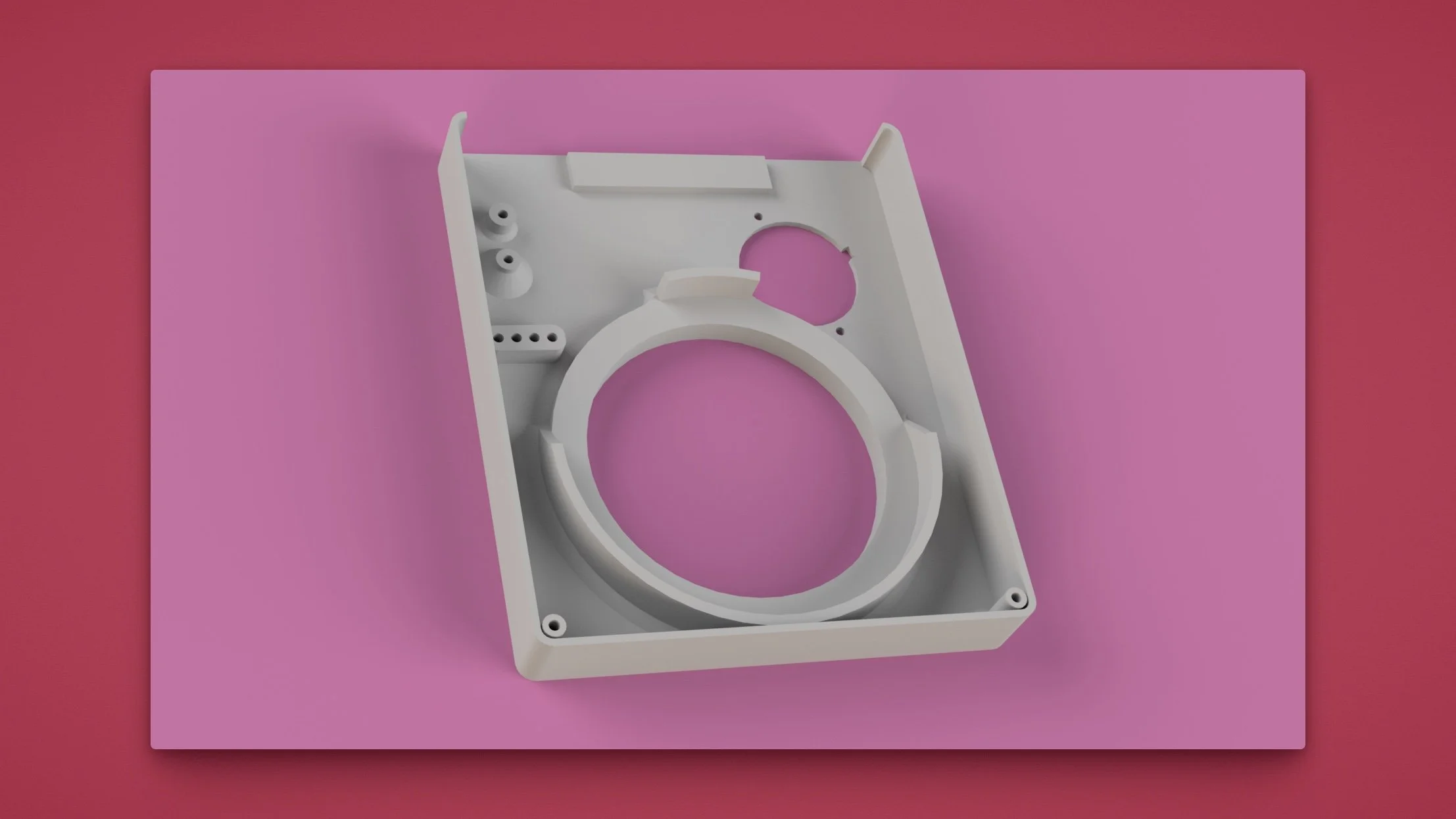
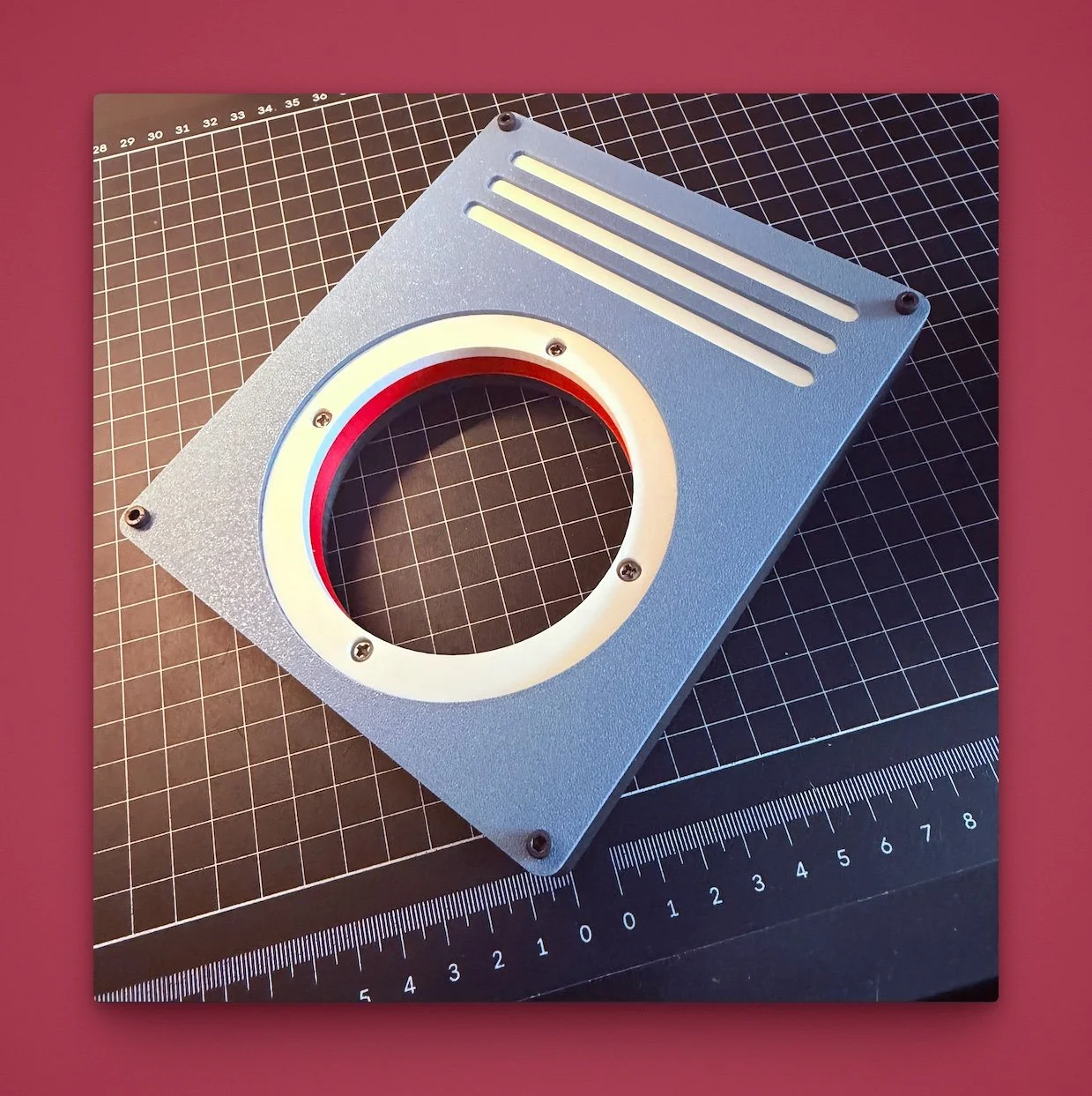
I’m not stoked on the top panel design at all, but not worried about that right now as it’s a placeholder. Here are some additional details:
It’s physically smaller than the previous version, which removes some layout constraints I was fighting with.
There is now an embedded magnet that makes a much more secure connection when mounted.
The lid now includes some small ridges on the underside that lock the cone pulley into position so it can no longer wobble when belt tension isn’t dialed in perfectly.
Cone Scale/Mount
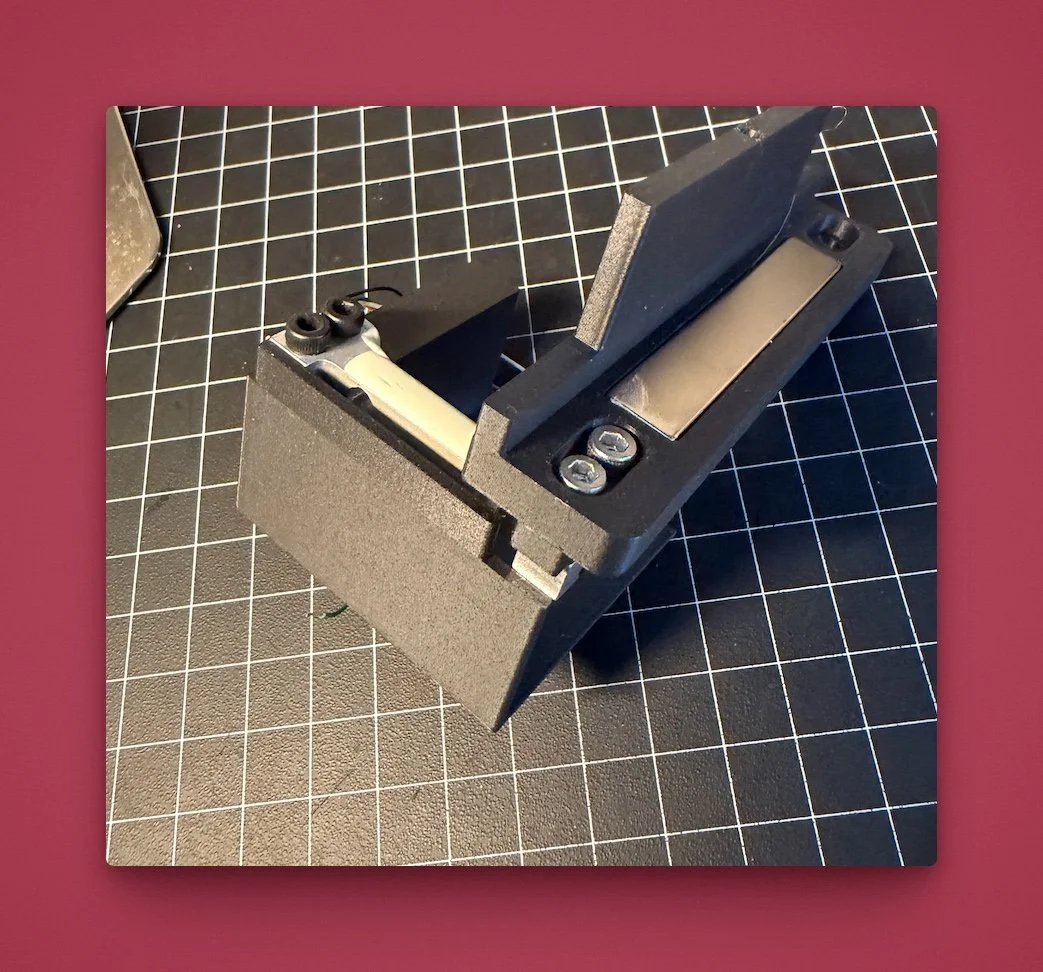
The machine side mount is now completely self contained within a single enclosure. You no longer need to worry about getting spacing between load cells correct, and there is no exposed wiring. And since the load cells are within the mount itself now, I was able to completely get rid of the mech mount we had to use previously. Huge time and cost savings there as that was a big beefy part.
The mount is attached at a deeper position within the enclosure, further minimizing space and layout restrictions. Only the magnetic mounting surface is exposed, and that is 20mm. The previous mech mount was 110mm.
It doesn’t seem like much, but this really improves many things internally. There were a lot of compromises made in the rest of the layout because of the previous mount.
I don’t have a completed picture handy, but here is an in progress cut away pic that should give you a rough idea of the setup.
Other Bits
The above changes allow the internal layout to be more compartmentalized and less of an airplane hangar. It’s gonna look a lot slicker and will keep things much cleaner.
I have added some internal structural parts to cut down on the need for so many corner brackets within the internal framework. This alone cuts assembly complexity in half.
Operator is now utilizing gpiozero for some basic functionality that is not Mugsy specific. One of the primary goals of the current work I’m doing is ‘maximize the shit you don’t need to do’ and this will offload a nice chunk of work and maintenance. It also improves hardware testing a lot.
I’m looking for help testing the DECAF API, starting in a couple of weeks. You don’t need any hardware, OS doesn’t matter, and everything can be tested in the browser.
We are still a few months away from shipping and I’m unable to provide any firm estimates. The work is going well right now, and I’m feeling good about where things are headed finally.
Updates will be on an every 2-3 weeks schedule for the foreseeable future. Please reach out by email if you need anything before then.
Cheers!